




Hiring masonry contractors in Basking Ridge, NJ is a decision that shapes your property for decades. A well-built stone patio, brick stoop, or retaining wall adds real value to your home and holds up through northern New Jersey’s harsh winters. A poorly done job cracks, shifts, and costs you twice when someone else has to tear it out and start over. This guide helps Basking Ridge homeowners and business owners understand what quality masonry looks like, what it costs, and how to find the right contractor in Somerset County.
Basking Ridge sits within Bernards Township in Somerset County, a community known for its historic homes, upscale neighborhoods, excellent schools, and proximity to major corporate campuses. Properties here range from colonial-era homes near the downtown to newer construction in developments throughout the township. Many feature stone facades, brick walkways, retaining walls on rolling lots, and outdoor living spaces that all require skilled masonry work to build and maintain properly.
Masonry Services Every Basking Ridge Contractor Should Offer
A full-service masonry contractor working in the Basking Ridge area should handle residential and commercial projects from design through completion. Hiring a specialist who only does one type of masonry work means coordinating between multiple trades, which increases both cost and the chance that something gets missed.
Brick and stone construction. This covers new walls, facades, veneers, stoops, steps, columns, chimneys, and decorative features like mailbox pillars and garden walls. Basking Ridge’s older homes often need repointing, the process of removing worn mortar from joints and replacing it with fresh mortar to extend the life of existing brickwork by decades.
Patios and walkways. Bluestone, brick pavers, travertine, flagstone, and interlocking concrete pavers are all popular choices in Somerset County. A properly installed patio starts with excavation, a compacted gravel base, landscape fabric, setting material, and careful attention to slope for drainage. Paver installations handle freeze-thaw cycles better than poured concrete because the individual units flex rather than crack.
Retaining walls. Many Basking Ridge properties sit on sloped terrain, especially in the neighborhoods near the Watchung Mountains and Lord Stirling Park area. Retaining walls prevent erosion, create usable yard space, and protect foundations from water runoff. Options include natural stone, segmented concrete block, and gravity walls, with the choice depending on wall height, soil conditions, and aesthetic goals.
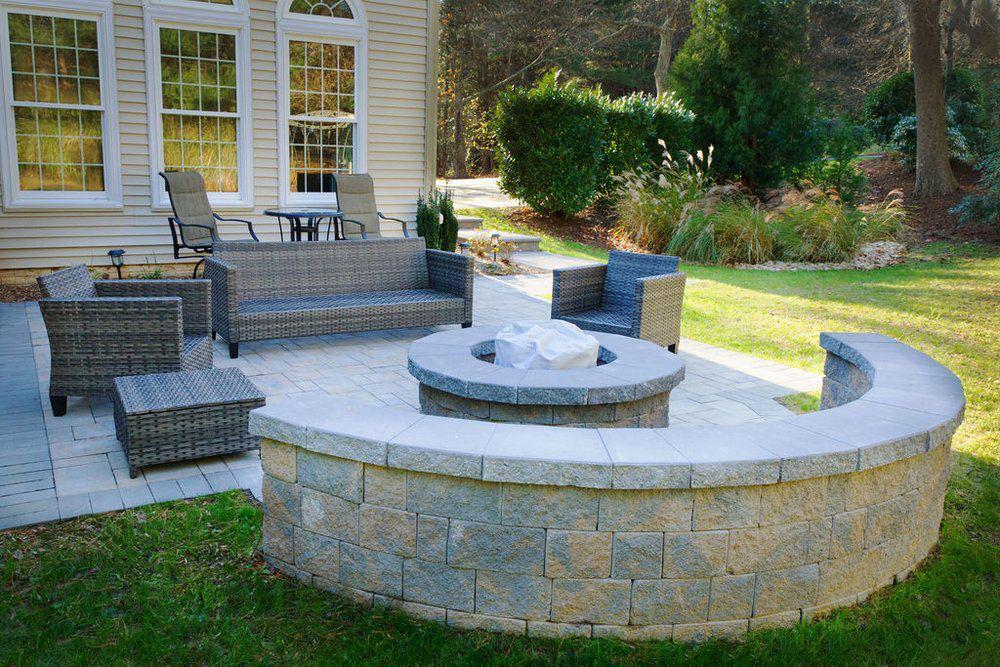
Outdoor living spaces. Custom fireplaces, outdoor kitchens, fire pits, pizza ovens, seating walls, and pergola foundations have become standard requests in Basking Ridge. These projects combine masonry skills with design vision and require contractors who can work with natural stone, manufactured stone veneer, brick, and various types of pavers.
Concrete work. Driveways, walkways, patios, garage slabs, and foundation work fall under this category. Stamped concrete has become popular for homeowners who want the look of natural stone at a lower price point, with options for custom colors and patterns. Exposed aggregate offers better traction and a distinctive textured finish.
Chimney repair and rebuilding. Chimneys take a beating in New Jersey winters. Cracked crowns, deteriorated flashing, spalling brick, and damaged flue liners are common issues. A masonry contractor should be able to repair, rebuild, and waterproof chimneys and install proper caps to prevent water intrusion.
Stone veneer installation. Natural and manufactured stone veneers transform plain concrete block or siding into the look of full stone construction at a fraction of the weight and cost. Options range from cut stone and ledgestone to river rock and fieldstone patterns. Quality installation requires proper moisture barriers and fastening systems to prevent water damage behind the veneer.
How Much Does Masonry Work Cost in Basking Ridge?
Masonry pricing in Somerset County runs higher than state averages due to elevated labor costs and the quality expectations that come with working on high-value properties. Skilled masonry labor typically accounts for 50% or more of total project cost. Here are realistic price ranges:
Brick or stone patio installation costs $15 to $30 per square foot depending on material. Natural bluestone falls at the higher end, while concrete pavers run $12 to $20 per square foot. A standard 300-square-foot patio runs $4,500 to $9,000 installed.
Retaining walls cost $25 to $60 per square face foot for stone or block construction. A 50-linear-foot wall standing 3 feet tall (150 square feet of face) typically costs $3,750 to $9,000. Walls over 4 feet tall usually require engineering and additional reinforcement.
Brick stoop and step replacement runs $1,500 to $5,000 depending on size and material. Repointing an existing brick facade costs $8 to $15 per square foot.
Chimney repair ranges from $500 for minor crown work and repointing to $5,000 or more for a full rebuild above the roofline.
Outdoor fireplaces and kitchens vary widely from $3,000 for a simple fire pit to $15,000 or more for a full outdoor kitchen with stone veneer, countertops, and built-in grill.
Stone veneer installation costs $10 to $25 per square foot for manufactured veneer and $20 to $40 per square foot for natural stone veneer, including preparation and labor.
These are estimates. Your actual cost depends on site access, demolition requirements, soil conditions, and material choices. Always get at least three detailed written estimates.
What to Look for When Hiring a Mason in Somerset County
The quality gap between the best and worst masonry contractors is wider than in most trades. Masonry failures often do not appear for two or three years, by which time a bad contractor may be gone. Here is what separates professionals from the rest:
NJ Home Improvement Contractor registration. New Jersey law requires every contractor performing home improvement work over $500 to register with the Division of Consumer Affairs. Verify the registration number at the NJ License Verification portal. Several competitors in the Basking Ridge market list their HIC numbers publicly.
Insurance documentation. Request certificates showing general liability coverage (minimum $500,000) and workers’ compensation. Masonry involves heavy materials, elevated work, and power tools. If an uninsured worker is injured on your property, you face liability.
Local project references. Ask for completed work in Basking Ridge, Bernardsville, Bedminster, or other nearby Somerset County communities. A contractor who works regularly in this area understands local soil composition, drainage patterns, and municipal requirements.
Detailed written proposals. A professional estimate specifies materials by name and quantity, dimensions, preparation work, drainage provisions, cleanup, timeline, and payment terms. Watch for vague lump-sum quotes that leave too much room for shortcuts.
Specialty credentials. Look for certifications like ICPI (Interlocking Concrete Pavement Institute) for paver work, NCMA (National Concrete Masonry Association) for block wall construction, or manufacturer certifications for specific paver and stone brands. These indicate specialized training beyond general masonry.
Common Masonry Problems in Northern New Jersey
Understanding what goes wrong helps you catch issues early and make better repair-versus-replace decisions:
Freeze-thaw damage. Northern New Jersey gets roughly 50 to 60 freeze-thaw cycles per year. Water enters porous masonry, freezes, expands, and cracks the material from within. This shows up as spalling (flaking brick faces), crumbling mortar, and shifting pavers. Proper drainage and regular sealing prevent most freeze-thaw damage.
Mortar deterioration. Mortar has a shorter lifespan than the brick or stone it holds together. In New Jersey’s climate, mortar joints typically need repointing every 25 to 30 years. Delaying this work allows water into the wall cavity, accelerating deterioration of the entire structure. Weather exposure, moisture, and natural settling all contribute to mortar breakdown.
Efflorescence. White, chalky mineral deposits on brick and stone surfaces indicate moisture moving through the masonry. The deposits themselves are cosmetic, but persistent efflorescence points to a moisture problem that needs fixing, not just cleaning.
Settlement and shifting. Somerset County’s clay-heavy soils expand when wet and contract when dry. This movement puts pressure on retaining walls, walkways, and foundations. Proper footings, drainage, and compacted base materials prevent most settlement issues.
Why Purcell’s Masonry Is the Right Choice for Basking Ridge
Purcell’s Masonry and Paving Contractors serves Basking Ridge and surrounding Somerset County communities from their base in nearby Bridgewater, New Jersey. Being based just minutes from Basking Ridge means faster response times, deep familiarity with local conditions, and the accountability that comes from working where your reputation lives.
What sets Purcell’s apart from the directories and lead-generation sites that crowd the search results is simple: they do the work themselves. When you contact Purcell’s, you talk to the team that will show up, build your project, and stand behind it for years to come.
Their services cover everything Basking Ridge property owners need: paving, driveway repairs, paver driveways, patios, retaining walls, brick and stone construction, waterproofing, and drainage solutions. They also handle asphalt paving that often accompanies masonry projects, so one contractor manages your entire outdoor improvement.
For Basking Ridge homeowners who demand quality craftsmanship and honest pricing, Purcell’s delivers both. Contact Purcell’s for a free estimate on your Basking Ridge masonry project.
Seasonal Timing for Masonry Work in New Jersey
Mortar and concrete need temperatures above 40 degrees Fahrenheit to cure properly. In northern New Jersey, the reliable masonry season runs from April through November, with May through October being ideal.
Spring is the busiest season as homeowners notice winter damage and prepare properties for summer entertaining. Booking your project in late winter for a spring start secures your spot and often delivers better pricing than waiting until schedules fill up in June.
Fall is ideal for smaller repairs. Cooler temperatures and lower humidity benefit mortar curing, and contractors are generally more available than during the spring rush. Cold-weather masonry is possible with heated enclosures and additives but adds cost and risk, so it is best reserved for urgent structural repairs.
Frequently Asked Questions About Masonry Contractors in Basking Ridge, NJ
How much do masonry contractors charge in Basking Ridge?
Masonry costs in Basking Ridge vary by project type. Brick or stone patios run $15 to $30 per square foot installed. Retaining walls cost $25 to $60 per square face foot. Stoop replacement runs $1,500 to $5,000, and repointing costs $8 to $15 per square foot. Labor typically accounts for 50% or more of the total. Get at least three written estimates.
What is the best time for masonry work in New Jersey?
The best time is May through October when temperatures consistently stay above 40 degrees Fahrenheit. Mortar and concrete need warm conditions to cure properly. Book your project in late winter for a spring start to secure better pricing and contractor availability.
Do I need a permit for masonry work in Basking Ridge?
Bernards Township requires building permits for structural masonry work including retaining walls over 4 feet tall, chimney rebuilds, foundation work, and projects that alter a structure’s footprint. Simple repairs like repointing and step replacement on existing foundations typically do not require permits. Your contractor should handle the process.
How long does a stone patio last in northern NJ?
A properly installed stone patio in northern New Jersey lasts 25 to 50 years depending on material and maintenance. Natural bluestone and granite are the most durable. Regular sealing, proper drainage, and prompt repair of shifted pavers or cracked mortar joints extend the lifespan significantly.
What causes mortar to deteriorate?
Weather exposure, moisture penetration, and natural building settlement are the primary causes. In New Jersey’s climate, freeze-thaw cycles accelerate mortar breakdown as water enters joints, freezes, and expands. Regular repointing every 25 to 30 years prevents significant structural damage to brick and stone walls.
Why is masonry work expensive?
Materials like natural stone and brick carry significant cost, and skilled labor typically makes up 50% or more of the project total. Quality masonry requires years of training and experience. The precision needed for level courses, proper mortar joints, and drainage means the work cannot be rushed without compromising longevity.
What is the difference between natural stone and manufactured stone veneer?
Natural stone is quarried rock (bluestone, granite, limestone, fieldstone) that offers unmatched durability and unique appearance but costs more and weighs significantly more. Manufactured stone veneer is lightweight concrete molded to look like natural stone. It costs 30% to 50% less and is easier to install, but lacks the depth and variation of real stone.
Should I repair or replace a crumbling retaining wall?
If the wall leans more than 2 inches, has significant base erosion, or shows widespread mortar failure, replacement is usually more cost-effective. Minor surface deterioration, a few displaced cap stones, or localized drainage problems can be repaired. A qualified masonry contractor can assess the structural integrity and recommend the right approach.
How do I verify a masonry contractor’s license in NJ?
Check the contractor’s NJ Home Improvement Contractor (HIC) registration number at the NJ Division of Consumer Affairs License Verification portal. Every contractor performing home improvement work over $500 must be registered. Also verify general liability insurance and workers’ compensation coverage by requesting certificates of insurance directly.
Can masonry improvements increase my Basking Ridge home value?
Yes. Quality masonry work like a new stone patio, repaired brick facade, or rebuilt front steps boosts curb appeal and property value. In Basking Ridge’s competitive real estate market, well-maintained masonry signals to buyers that the property has been properly cared for, influencing both perceived value and offer prices.