





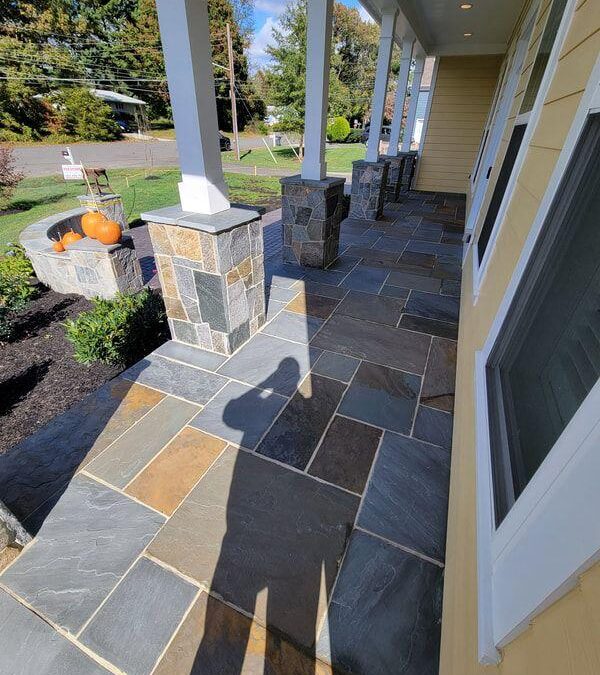
Hiring masonry contractors in Livingston, NJ is one of those decisions that affects your property for decades. A well-built stone wall, brick stoop, or paver patio adds lasting curb appeal and real value to your home. A poorly done job cracks within a few winters, shifts with the soil, and costs you twice when you pay someone else to tear it out and redo it. Livingston homeowners deserve better than that, and this guide will help you get it right the first time.
Livingston Township sits in Essex County with a median household income above $150,000 and a housing stock that ranges from mid-century colonials near Riker Hill to newer construction around the Livingston Mall corridor. The homes here have stone facades, brick stoops, retaining walls along sloped lots, and paver driveways that all need maintenance and occasional rebuilding. Finding a masonry contractor who understands these specific needs, and who knows the soil and drainage conditions in this part of northern New Jersey, matters more than finding the lowest bid.
What Masonry Services Should a Livingston Contractor Offer?
A full-service masonry contractor working in Livingston should handle the complete range of residential and commercial projects. If a company only does one thing, such as pouring concrete but not laying stone, you end up coordinating between multiple trades. That means more scheduling headaches, finger-pointing if something goes wrong, and higher overall costs.
Brick and stone work. This includes new construction and repairs for walls, facades, veneers, stoops, steps, chimneys, and decorative features like mailbox columns and garden walls. Livingston's older homes often need repointing, which is the process of removing deteriorated mortar from joints and replacing it with fresh mortar. Repointing extends the life of existing brickwork by decades when done correctly.
Concrete flatwork. Driveways, walkways, patios, garage floor slabs, and foundation work all fall under this category. Stamped and decorative concrete finishes have become popular in Livingston neighborhoods where homeowners want the look of natural stone at a lower price point. Exposed aggregate is another option that offers better traction in wet conditions.
Retaining walls. Many Livingston properties sit on sloped lots, particularly in the neighborhoods south of Northfield Road and around the South Mountain Reservation area. Retaining walls prevent erosion, create usable yard space, and protect foundations from water runoff. Materials range from natural stone and concrete block to timber, with stone and block being the most durable for northern New Jersey conditions.
Paver installation. Brick pavers, travertine, bluestone, and interlocking concrete pavers work well for patios, walkways, pool decks, and driveways. A properly installed paver surface with a compacted gravel base and polymeric sand joints handles freeze-thaw cycles better than poured concrete because the individual units flex rather than crack.
Chimney repair and rebuilding. Chimneys take a beating in New Jersey winters. Cracked crowns, deteriorated flashing, spalling brick, and damaged flue liners are common issues. A masonry contractor should be able to repair, rebuild, or waterproof chimneys and install proper caps to prevent water intrusion and animal nesting.
Outdoor living spaces. Custom fireplaces, outdoor kitchens, fire pits, seating walls, and pergola foundations have become standard requests in Essex County. These projects combine masonry skills with design vision and require contractors who can work with natural stone, manufactured stone veneer, and various types of pavers and flagstone.
How Much Does Masonry Work Cost in Livingston, NJ?
Masonry pricing in Essex County runs higher than state averages because of elevated labor costs and the quality expectations that come with working on high-value properties. Here are realistic price ranges for common residential projects:
Brick or stone patio installation typically costs $15 to $30 per square foot, depending on the material. Natural bluestone runs toward the higher end, while concrete pavers fall in the $12 to $20 range. A standard 300-square-foot patio project runs $4,500 to $9,000 installed.
Retaining walls cost $25 to $60 per square face foot for stone or block construction. A 50-linear-foot wall standing 3 feet tall (150 square feet of face) typically costs $3,750 to $9,000. Walls over 4 feet tall usually require engineering permits and additional reinforcement, which adds to the cost.
Brick stoop and step replacement runs $1,500 to $5,000 depending on size, material, and whether the existing foundation needs rebuilding. Simple repointing of an existing brick facade costs $8 to $15 per square foot.
Chimney repair ranges from $500 for minor crown repair and repointing to $5,000 or more for a full rebuild above the roofline. Chimney waterproofing typically costs $200 to $500.
Concrete driveway installation costs $6 to $12 per square foot for standard finishes, and $10 to $18 per square foot for stamped or decorative concrete. A standard two-car driveway (600 square feet) runs $3,600 to $10,800 depending on the finish.
These are estimates. Your actual cost depends on site access, demolition requirements, soil conditions, drainage needs, and the current price of materials. Always get detailed written estimates from at least three contractors.
What Sets a Quality Masonry Contractor Apart in Essex County
The Livingston area has no shortage of masonry companies, but the quality gap between the best and worst is wider than in most trades. Masonry failures often do not show up for two or three years, by which time a bad contractor may have moved on or changed their business name. Here is what to look for:
NJ Home Improvement Contractor registration. New Jersey law requires every contractor performing home improvement work over $500 to register with the Division of Consumer Affairs. Ask for the registration number and verify it at the NJ License Verification portal. Some competitors in the Livingston market list license numbers on their websites, which is a good sign of transparency.
Insurance documentation. Request certificates of insurance showing general liability coverage (minimum $500,000) and workers' compensation. Masonry involves heavy lifting, elevated work on chimneys and walls, and power tools. If an uninsured worker is injured on your property, you could face liability.
Local project references. Ask to see completed work in Livingston, West Orange, Short Hills, or other nearby communities. A contractor who has worked extensively in Essex County understands the local soil composition (heavy clay in many areas), drainage patterns, HOA requirements, and municipal permit processes.
Detailed written proposals. A professional estimate should specify materials by name and quantity, dimensions, preparation work, drainage provisions, cleanup, timeline, and payment schedule. Vague lump-sum quotes leave too much room for shortcuts.
Equipment and crew. Companies that employ their own masons and own their equipment deliver more consistent results than those who subcontract everything. Ask whether the people who show up for the estimate will be the ones doing the work.
Common Masonry Problems in Northern New Jersey
Understanding what goes wrong helps you spot issues early and make better decisions about repairs versus replacement:
Freeze-thaw damage. Northern New Jersey gets roughly 50 to 60 freeze-thaw cycles per year. Water enters porous masonry, freezes, expands, and cracks the material from the inside out. This shows up as spalling (flaking brick faces), crumbling mortar joints, and shifting pavers. Proper water management and regular sealing prevent most freeze-thaw damage.
Efflorescence. Those white, chalky deposits on brick and stone surfaces are mineral salts drawn to the surface by moisture. Efflorescence itself is cosmetic, but persistent deposits indicate a moisture problem behind the masonry that needs addressing. Simply cleaning the surface without fixing the source will not solve it.
Settlement and shifting. Livingston's clay soils expand when wet and contract when dry. This movement puts pressure on foundations, retaining walls, and walkways. A masonry contractor who understands local soil conditions will specify appropriate footings and drainage to prevent settlement issues.
Failed mortar joints. Mortar has a shorter lifespan than the bricks or stones it holds together. In New Jersey's climate, mortar joints typically need repointing every 25 to 30 years. Delaying repointing allows water into the wall cavity, which accelerates deterioration of the entire structure.
Why Purcell's Masonry Is the Right Choice for Livingston Projects
Purcell's Masonry and Paving Contractors serves Livingston and surrounding Essex County communities from their base in Bridgewater, New Jersey. What makes them stand out from the directory listings and lead-generation sites that dominate search results is simple: they do the work themselves. When you contact Purcell's, you are talking to the team that will show up, build your project, and stand behind it.
Their masonry services cover everything Livingston homeowners need: paving, driveway repairs, paver driveways, patios, retaining walls, brick and stone construction, chimney repairs, and waterproofing. They also handle the asphalt paving that often accompanies masonry projects, meaning one contractor manages your entire outdoor improvement instead of juggling multiple trades.
For Livingston property owners, working with Purcell's means dealing with a company whose reputation rests on the quality of their work in the communities they serve, not on a star rating or pay-per-lead directory. They understand the soil conditions, drainage challenges, and freeze-thaw stresses that affect every masonry project in northern New Jersey. Contact Purcell's for a free estimate on your Livingston masonry project.
Seasonal Considerations for Masonry Projects in New Jersey
Timing matters for masonry work. Mortar and concrete need temperatures above 40 degrees Fahrenheit to cure properly. In northern New Jersey, the reliable masonry season runs from April through November, with the ideal window being May through October.
Cold-weather masonry is possible with heated enclosures and additives, but it adds cost and introduces risk. If a contractor offers to start a major project in December or January at a discount, the savings rarely outweigh the curing risks.
Spring is the busiest season for masonry contractors in Essex County. Homeowners notice winter damage, buyers preparing homes for sale want curb appeal improvements, and the weather cooperates. Booking your project in late winter for a spring start date secures your spot and often delivers better pricing than waiting until June when schedules are packed.
Fall is ideal for smaller repair projects. The cooler temperatures and lower humidity actually benefit mortar curing, and contractors are generally more available than during the spring rush.
Permits and Regulations for Masonry Work in Livingston
Livingston Township requires building permits for structural masonry work including retaining walls over 4 feet tall, chimney rebuilds, foundation work, and any project that alters the footprint of a structure. Simple repairs like repointing, sealcoating, and replacing a few steps on an existing foundation typically do not require permits.
Your masonry contractor should know which projects need permits and handle the application process. If a contractor suggests skipping permits to save time or money, that is a serious red flag. Unpermitted work can create problems when you sell your home, and if something fails, your homeowner's insurance may not cover the damage.
Livingston also falls under Essex County soil conservation district requirements for projects that disturb significant amounts of earth, such as large retaining wall installations with grading work. Your contractor should be aware of these requirements and factor them into the project timeline.
Frequently Asked Questions About Masonry Contractors in Livingston, NJ
How much do masonry contractors charge in Livingston, NJ?
Masonry costs in Livingston vary by project type. Brick or stone patios run $15 to $30 per square foot installed. Retaining walls cost $25 to $60 per square face foot. Brick stoop replacement runs $1,500 to $5,000, and repointing costs $8 to $15 per square foot. Always get at least three detailed written estimates for accurate pricing on your specific project.
What is the best time of year for masonry work in New Jersey?
The best time for masonry in New Jersey is May through October when temperatures consistently stay above 40 degrees Fahrenheit. Mortar and concrete need warm conditions to cure properly. Book your project in late winter for a spring start to secure better pricing and contractor availability.
Do I need a permit for masonry work in Livingston?
Livingston Township requires building permits for structural masonry work including retaining walls over 4 feet tall, chimney rebuilds, foundation work, and projects that alter a structure's footprint. Simple repairs like repointing and step replacement on existing foundations typically do not require permits. Your contractor should handle permit applications.
How long does a brick or stone patio last in northern NJ?
A properly installed brick or stone patio in northern New Jersey lasts 25 to 50 years depending on the material and maintenance. Natural bluestone and granite are the most durable. Regular sealing, proper drainage, and prompt repair of shifted pavers or cracked mortar joints extend the lifespan significantly.
What causes brick to crack and crumble in New Jersey?
The primary cause is freeze-thaw cycling. Water enters porous brick or deteriorated mortar joints, freezes, expands, and damages the material from within. This shows up as spalling (flaking faces), crumbling mortar, and structural cracking. Regular repointing every 25 to 30 years and waterproofing prevent most freeze-thaw damage.
Should I repair or replace a crumbling retaining wall?
If the wall is leaning more than 2 inches, has significant base erosion, or shows widespread mortar failure, replacement is usually more cost-effective than repair. Minor issues like surface mortar deterioration, a few displaced cap stones, or localized drainage problems can be repaired. A qualified masonry contractor can assess the wall's structural integrity and recommend the right approach.
How do I verify a masonry contractor's license in NJ?
Check the contractor's NJ Home Improvement Contractor (HIC) registration number at the NJ Division of Consumer Affairs License Verification portal. Every contractor performing home improvement work over $500 must be registered. Also verify general liability insurance and workers' compensation coverage by requesting certificates of insurance directly.
What is repointing and when does it need to be done?
Repointing is the process of removing deteriorated mortar from brick or stone joints and replacing it with fresh mortar. In New Jersey's climate, mortar joints typically need repointing every 25 to 30 years. Signs that repointing is needed include crumbling or missing mortar, visible gaps between bricks, and water penetration through walls during rain.
Can masonry work increase my home value in Livingston?
Yes. Quality masonry improvements like a new stone patio, repaired brick facade, or rebuilt front steps boost curb appeal and property value. In Livingston's competitive real estate market with a median household income above $150,000, well-maintained masonry signals to buyers that the property has been properly cared for, influencing both perceived value and offer prices.
What is the difference between natural stone and manufactured stone veneer?
Natural stone is quarried rock (bluestone, granite, limestone, fieldstone) that offers unmatched durability and a one-of-a-kind appearance but costs more and weighs significantly more. Manufactured stone veneer is lightweight concrete molded to look like natural stone. It costs 30% to 50% less, is easier to install, and comes with manufacturer warranties up to 50 years, but lacks the depth and variation of real stone.